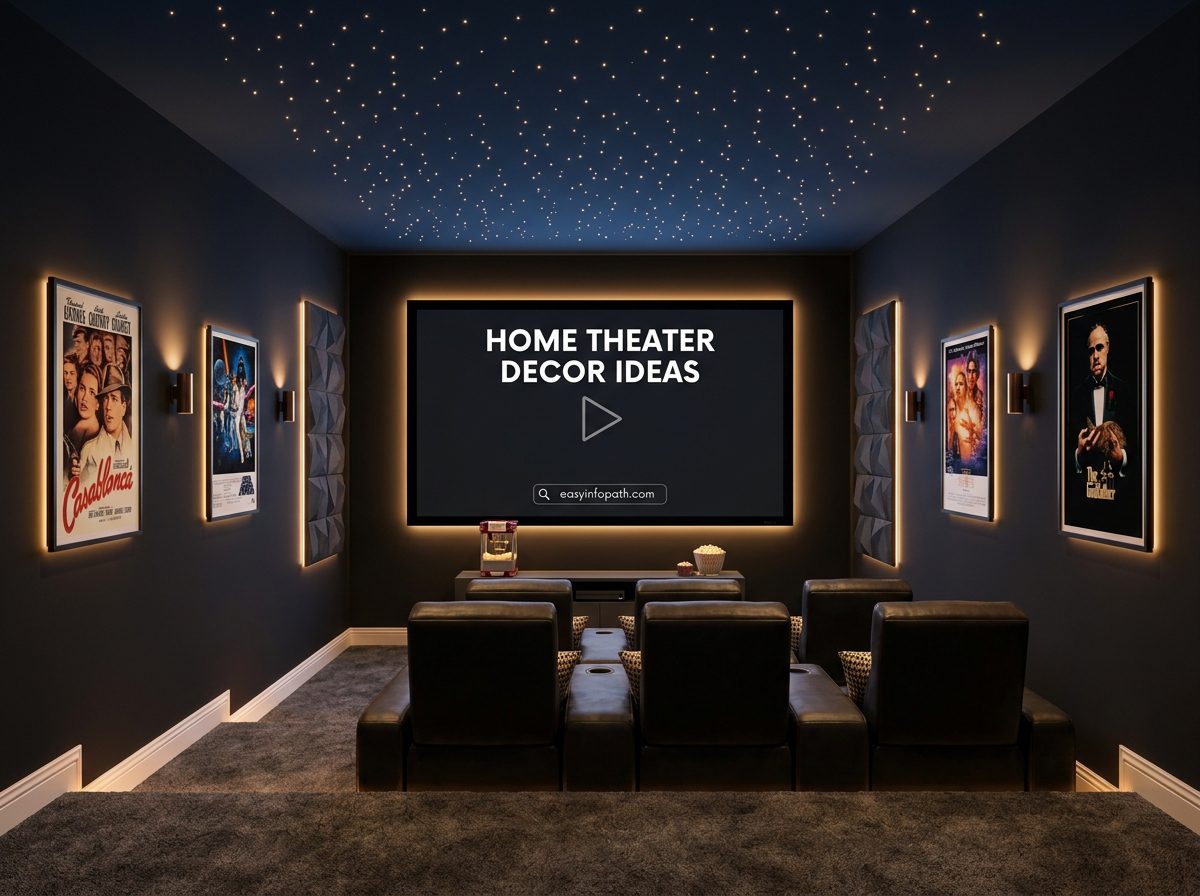

A great home theater is not just about screens and speakers. Those are only the starting point. What truly defines the experience is how the space is designed around them. The right decor controls light, shapes sound, and guides where your attention goes the moment the movie starts. Even small choices—like wall color, seating layout, or lighting placement—can change how immersive the room feels.
In this guide, you’ll explore practical, high-impact home theater decor ideas that go beyond surface-level styling. Each idea is focused on improving both aesthetics and performance, so your room not only looks refined but also works better acoustically and visually. Whether you’re setting up a dedicated theater or upgrading a living room, these insights will help you create a space that feels intentional—without wasting space or stretching your budget.
Choosing the Right Color Palette for a True Theater Feel
Color is the fastest way to shift a room from “living room” to “cinema.” Dark tones reduce light reflection and improve visual contrast on screen.
- Use matte, dark shades like charcoal, navy, or deep burgundy to absorb light and prevent glare.
- Avoid glossy finishes, which bounce light and distract during viewing.
- Accent strategically with warm wood or brass to prevent the space from feeling flat.
- Ceiling matters: painting it darker than walls reduces light spill from the screen.
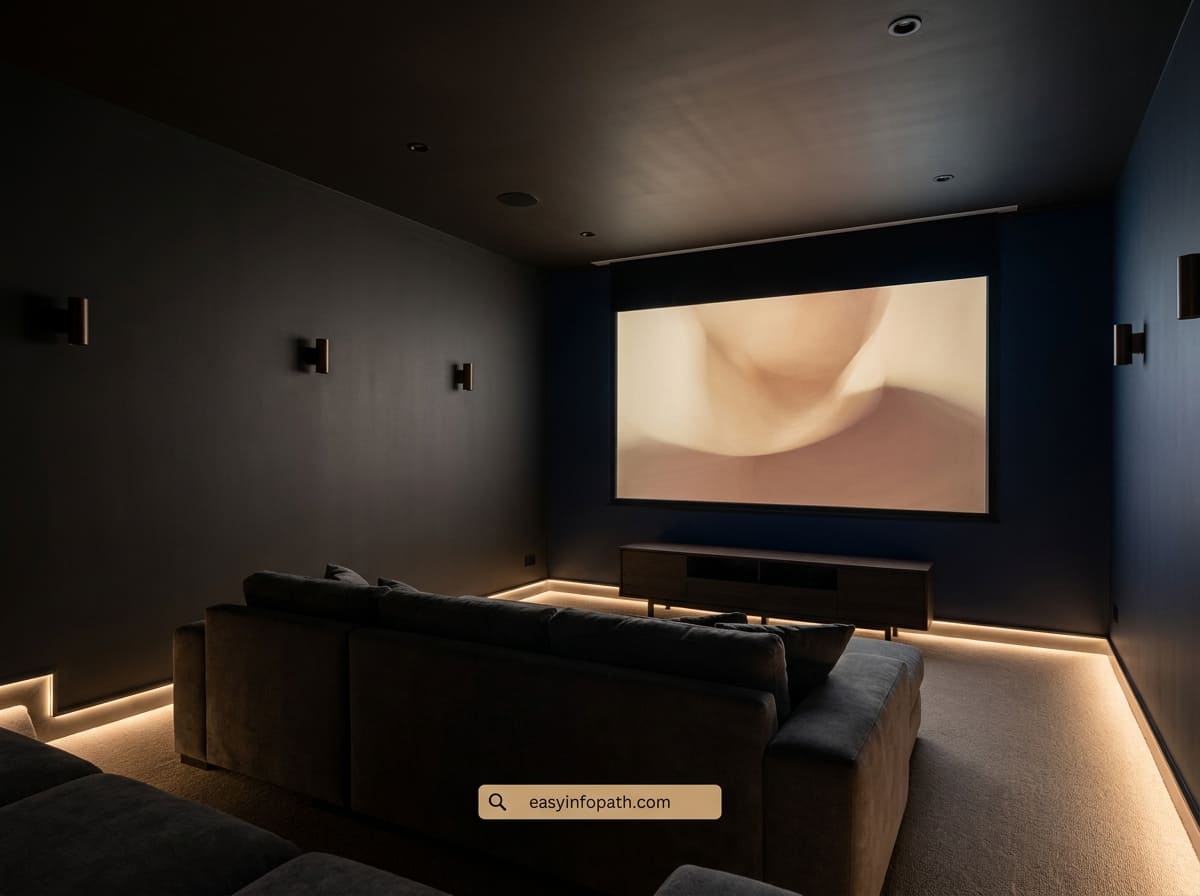
Real-world example: Dedicated theaters often mimic cinema halls with dark walls and ceilings. Even a small room gains depth when reflections are minimized.
Layered Lighting Design for Comfort and Atmosphere
Lighting should support both functionality and immersion. The goal is control, not brightness.
- Install dimmable LED strips along baseboards or behind screens for subtle glow.
- Use wall sconces with soft diffusion instead of overhead lights.
- Add smart lighting controls to adjust scenes with one tap.
- Avoid direct light toward the screen, which reduces contrast.
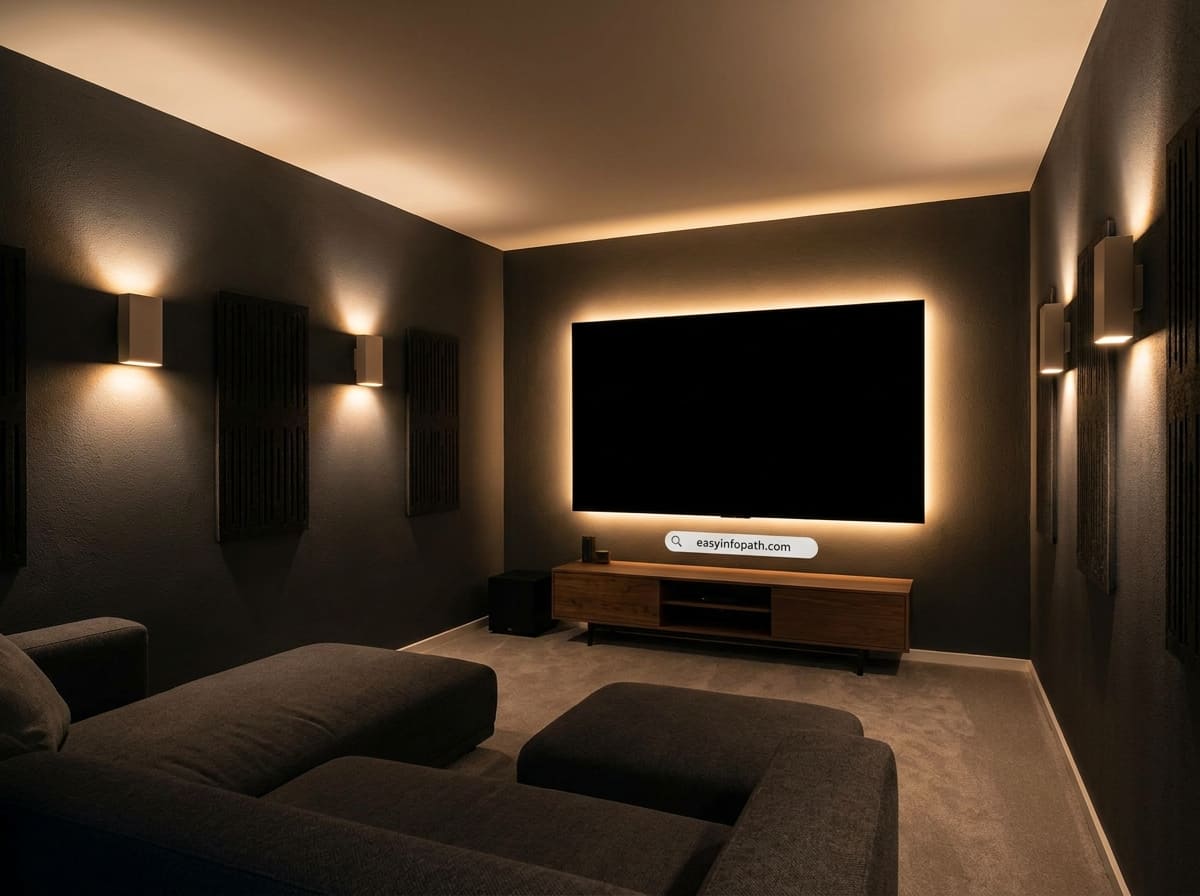
Case study: A mid-size media room used recessed lights initially. Switching to wall sconces and LED bias lighting reduced eye strain and improved perceived contrast.
Comfortable and Functional Seating Arrangements
Seating is where design meets ergonomics. Poor layout ruins even the best screen setup.
- Choose tiered seating if space allows to maintain clear sightlines.
- Opt for recliners with lumbar support for long sessions.
- Maintain viewing distance: roughly 1.5–2.5× screen diagonal.
- Include side tables or cup holders for convenience without clutter.
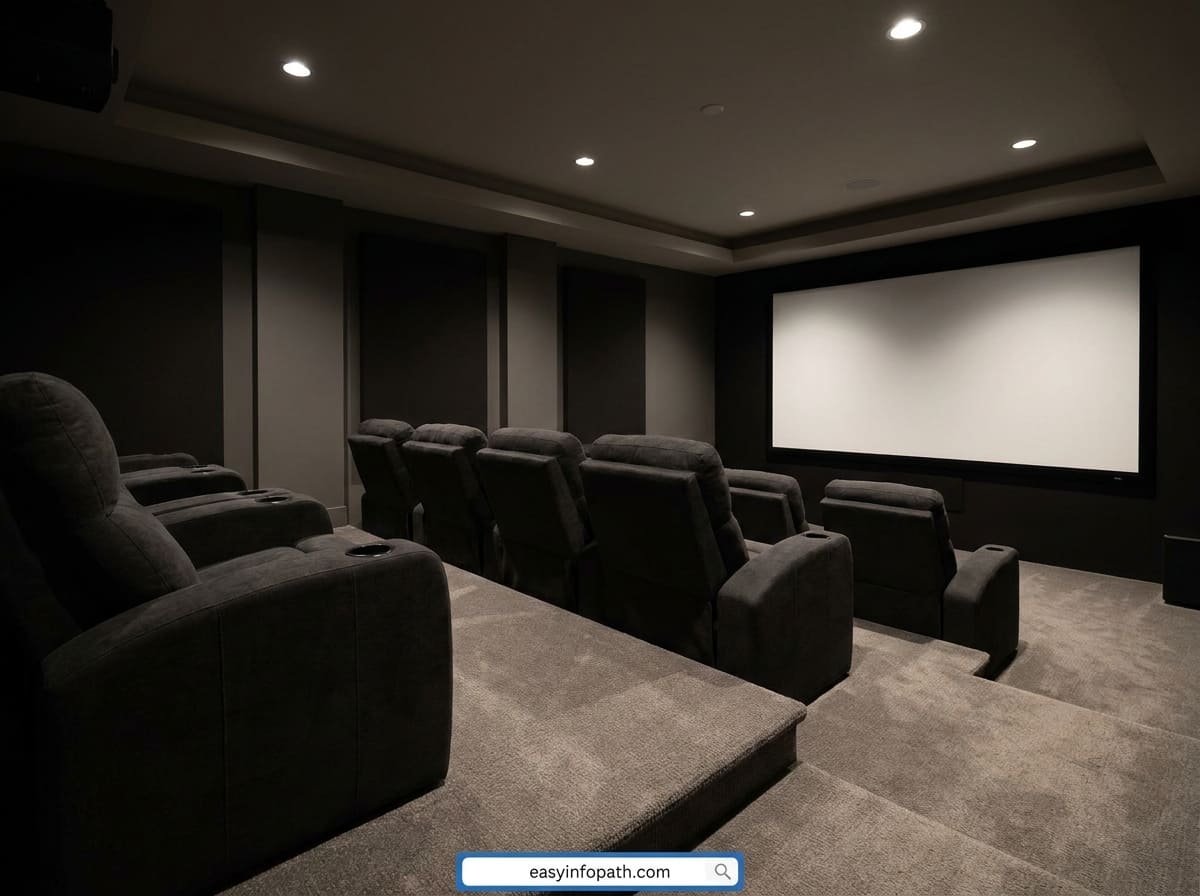
Example: In a 12×16 ft room, two rows—one elevated—allowed six viewers without blocking sightlines, improving group viewing comfort.
Acoustic Panels That Double as Design Elements
Sound quality depends heavily on the room, not just speakers. Decor can solve this without looking technical.
- Install fabric-wrapped acoustic panels in geometric layouts.
- Use thick curtains to reduce echo and outside noise.
- Add rugs or carpets to absorb floor reflections.
- Consider diffusers on rear walls to balance sound.
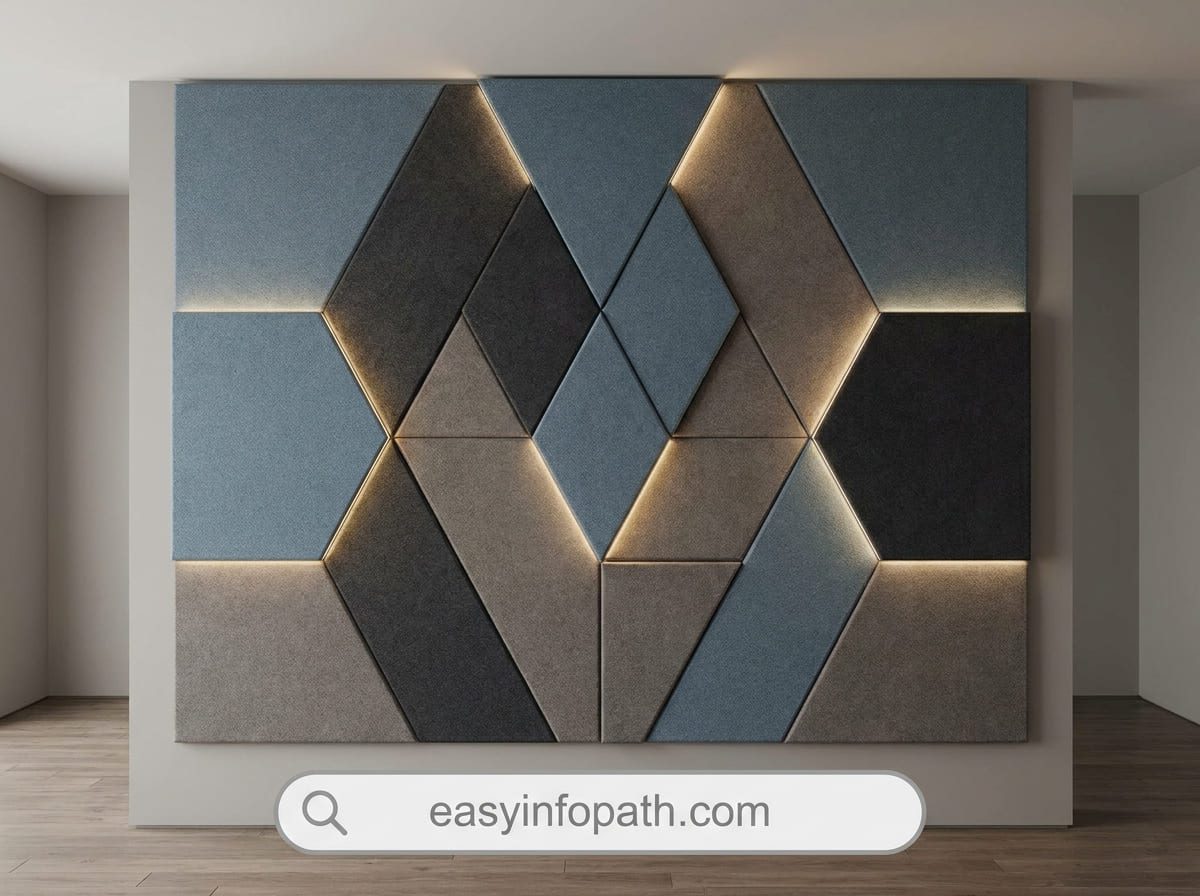
Analogy: Think of acoustic treatment like tuning a musical instrument. Without it, even expensive gear sounds off.
✦ Key Takeaway
Dark colors, controlled lighting, ergonomic seating, and acoustic treatment work together. Ignore one, and the whole experience feels incomplete.
Wall Decor That Enhances the Cinema Theme
Walls should support immersion, not distract from it. The best decor feels intentional and subtle.
- Frame movie posters in uniform styles for cohesion.
- Use fabric panels instead of busy artwork in key viewing zones.
- Install LED backlit frames for a premium look.
- Keep front wall minimal to maintain focus on the screen.
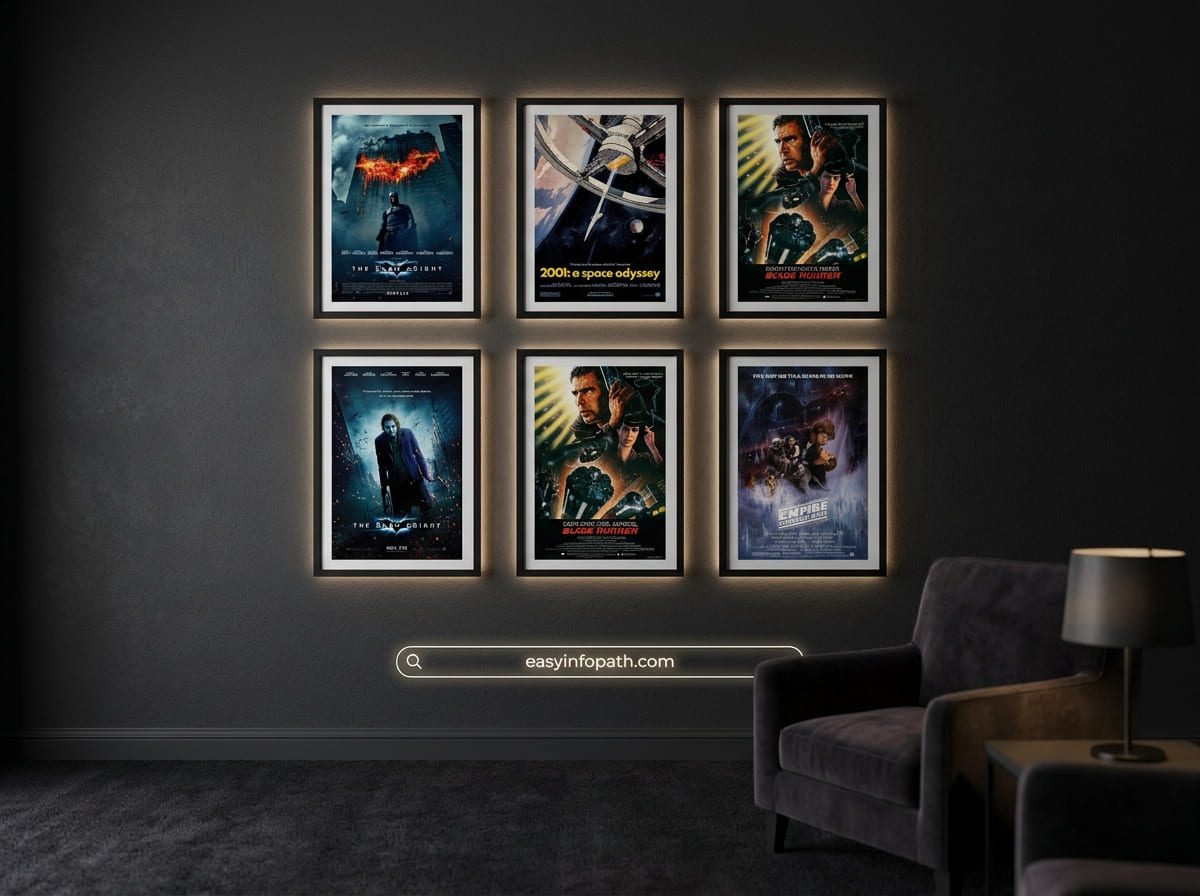
Example: A Marvel-themed theater used backlit poster frames along side walls, creating atmosphere without pulling attention from the screen.
Flooring Choices That Improve Sound and Comfort
Flooring often gets overlooked, but it impacts both acoustics and comfort underfoot.
- Wall-to-wall carpet is ideal for sound absorption.
- Use thick rugs if full carpeting is not possible.
- Choose darker tones to match theater aesthetics.
- Add underlayment padding for extra sound dampening.
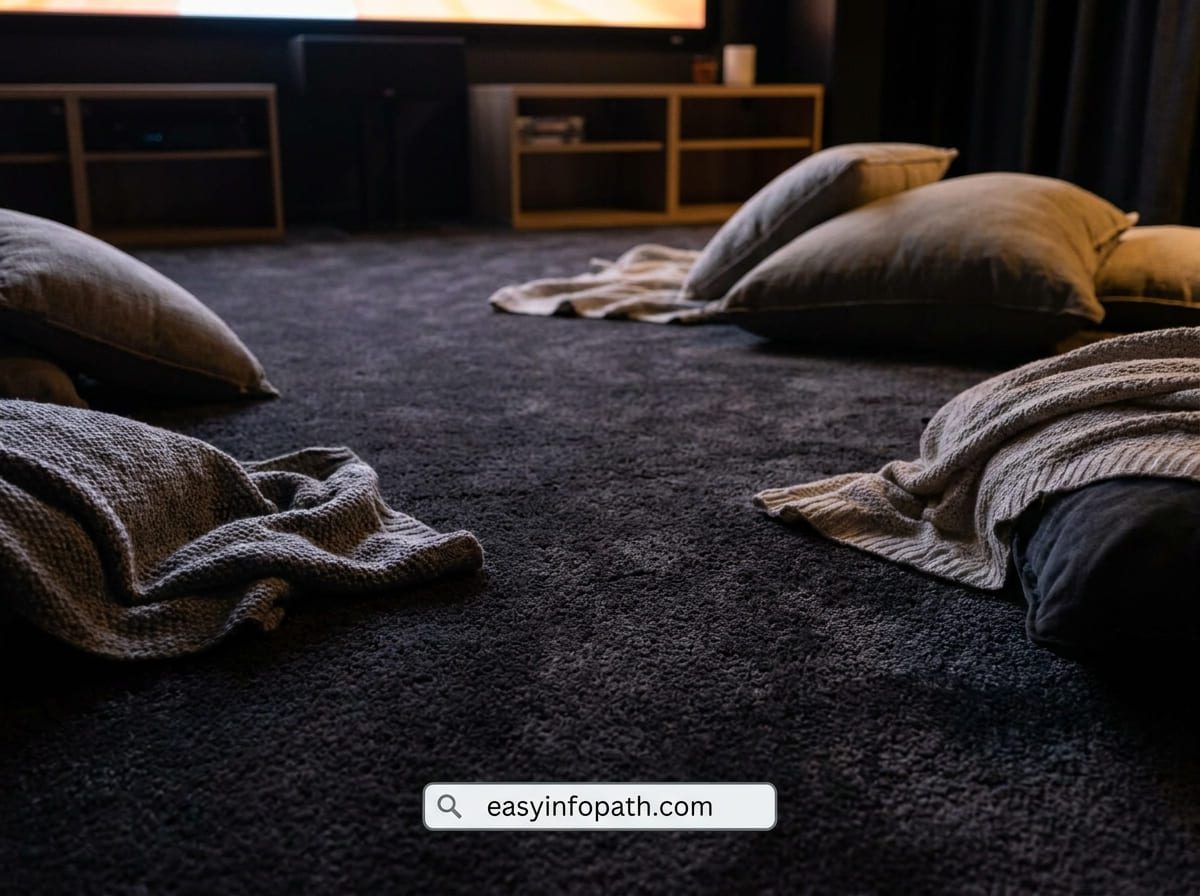
Case study: Replacing tile flooring with carpet reduced echo significantly and made long viewing sessions more comfortable.
Hidden Tech for a Clean, Professional Look
Clutter breaks immersion. The best home theater decor ideas hide technology in plain sight.
- Use in-wall cable management to eliminate visible wires.
- Install equipment racks in closets or cabinets.
- Choose acoustically transparent screens to hide speakers.
- Incorporate motorized screens or projectors for multipurpose rooms.
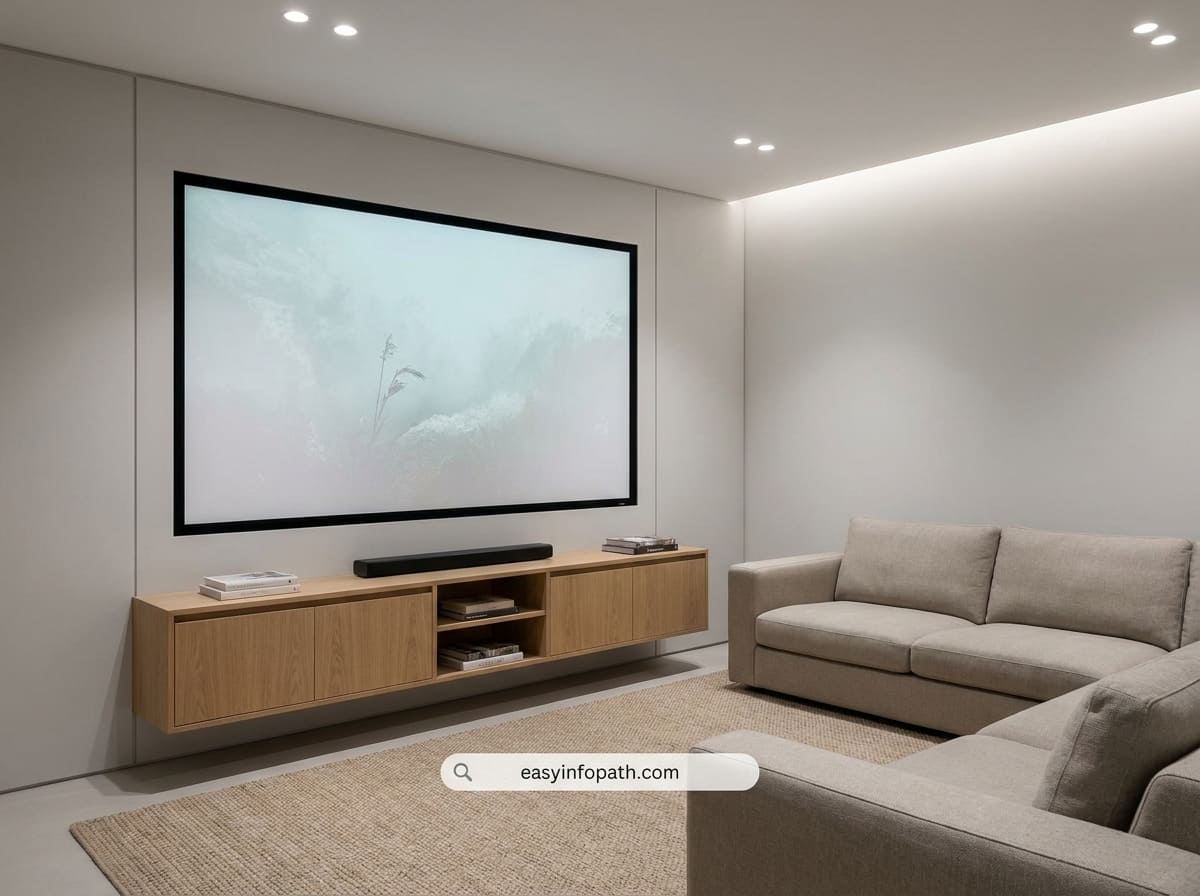
Example: A living room theater concealed speakers behind fabric panels and routed cables inside walls, achieving a clean, minimalist look.
✦ Key Takeaway
Decor is not just visual—it’s functional. Every element should either improve sound, comfort, or focus.
Ceiling Design That Adds Depth and Drama
The ceiling is often wasted space in home theaters. Done right, it becomes a focal feature.
- Use coffered ceilings for a classic cinema feel.
- Add fiber optic “star ceiling” lighting for atmosphere.
- Install acoustic ceiling panels to reduce echo.
- Paint ceilings darker than walls for depth.
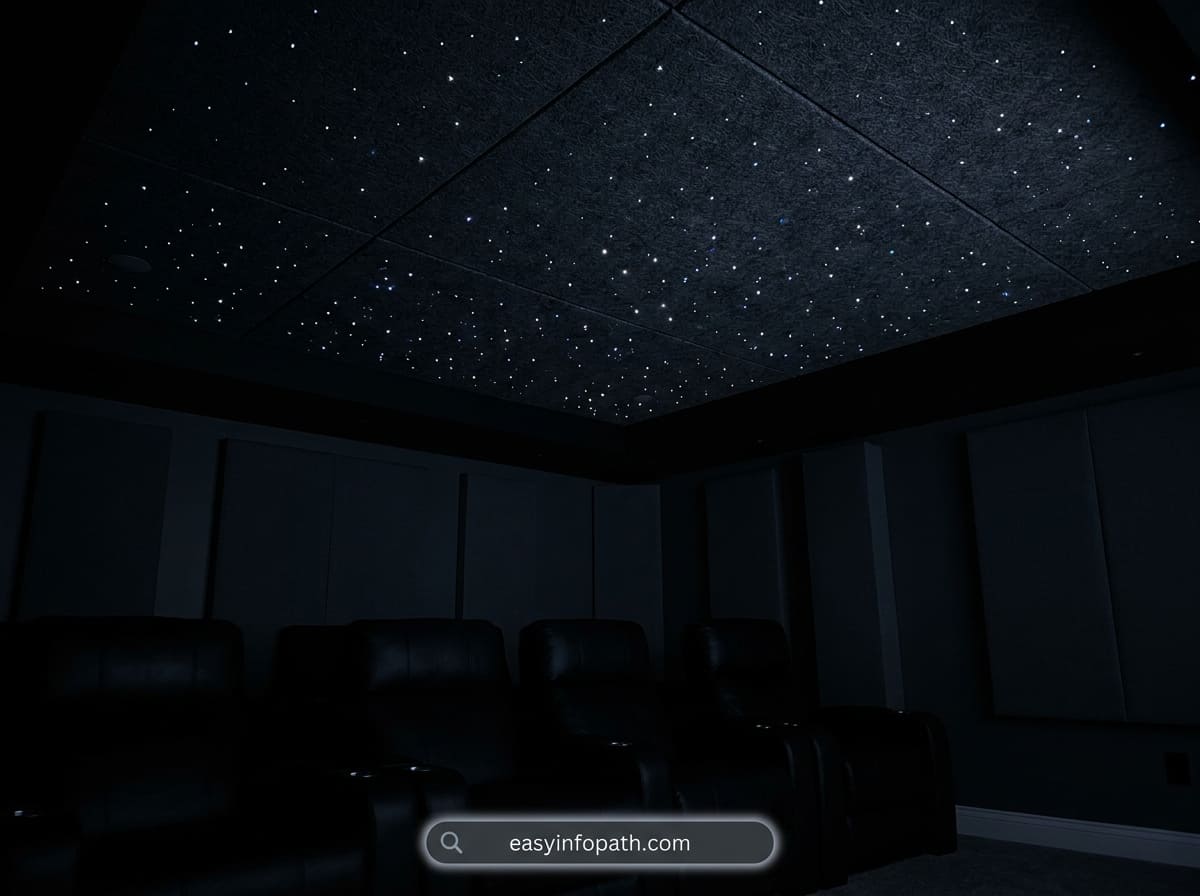
Analogy: A star ceiling turns the room into an open sky—subtle, but memorable.
Accessories That Personalize the Space
Accessories bring personality without overwhelming the room.
- Add themed decor (film reels, vintage cameras).
- Use throw blankets and cushions in coordinated colors.
- Include a snack station or mini bar for convenience.
- Display collectibles sparingly to avoid clutter.
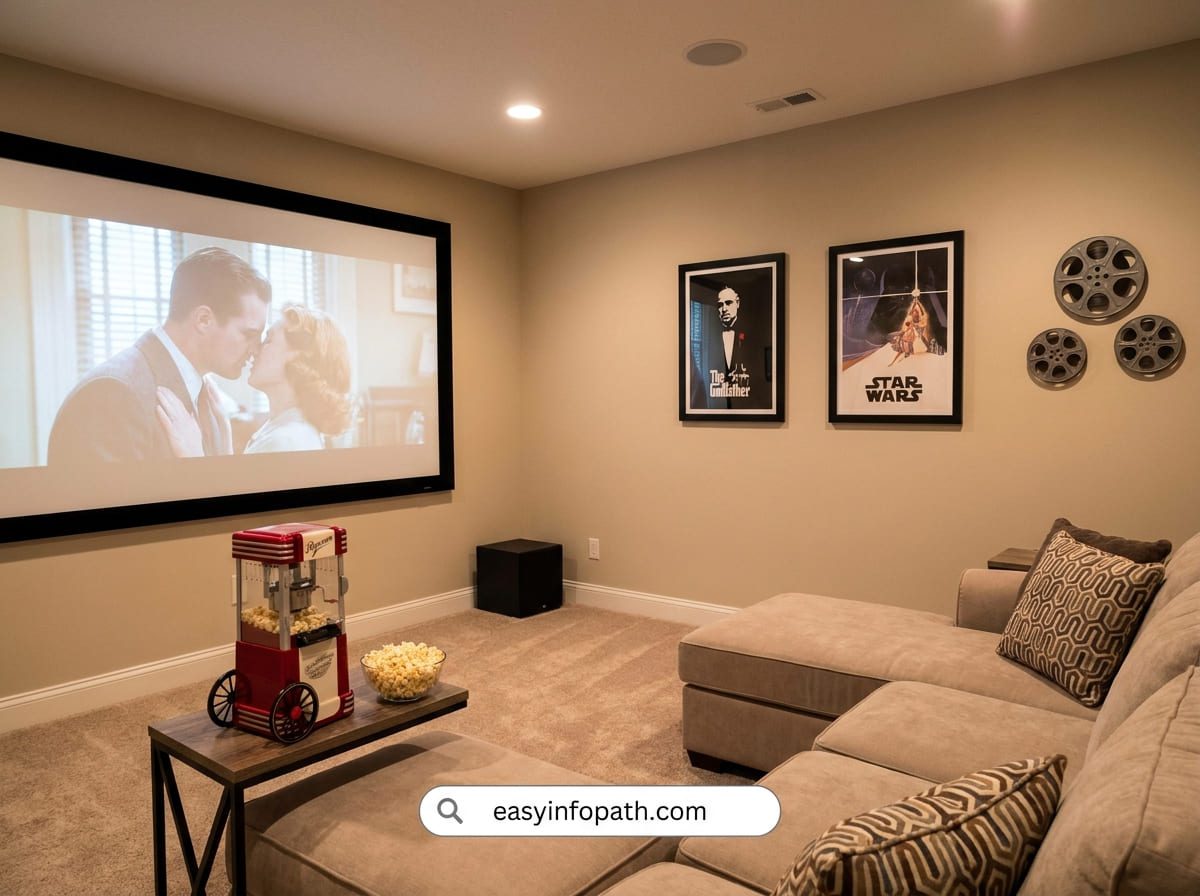
Example: A classic film enthusiast added a vintage popcorn machine and subtle memorabilia, enhancing the theater feel without overcrowding.
Designing for Small Spaces Without Compromise
Not every home has a dedicated theater room. Smart decor choices can adapt any space.
- Use wall-mounted speakers to save floor space.
- Opt for a projector instead of a large TV in tight rooms.
- Choose multifunctional furniture like sofa beds.
- Keep decor minimal to avoid visual clutter.
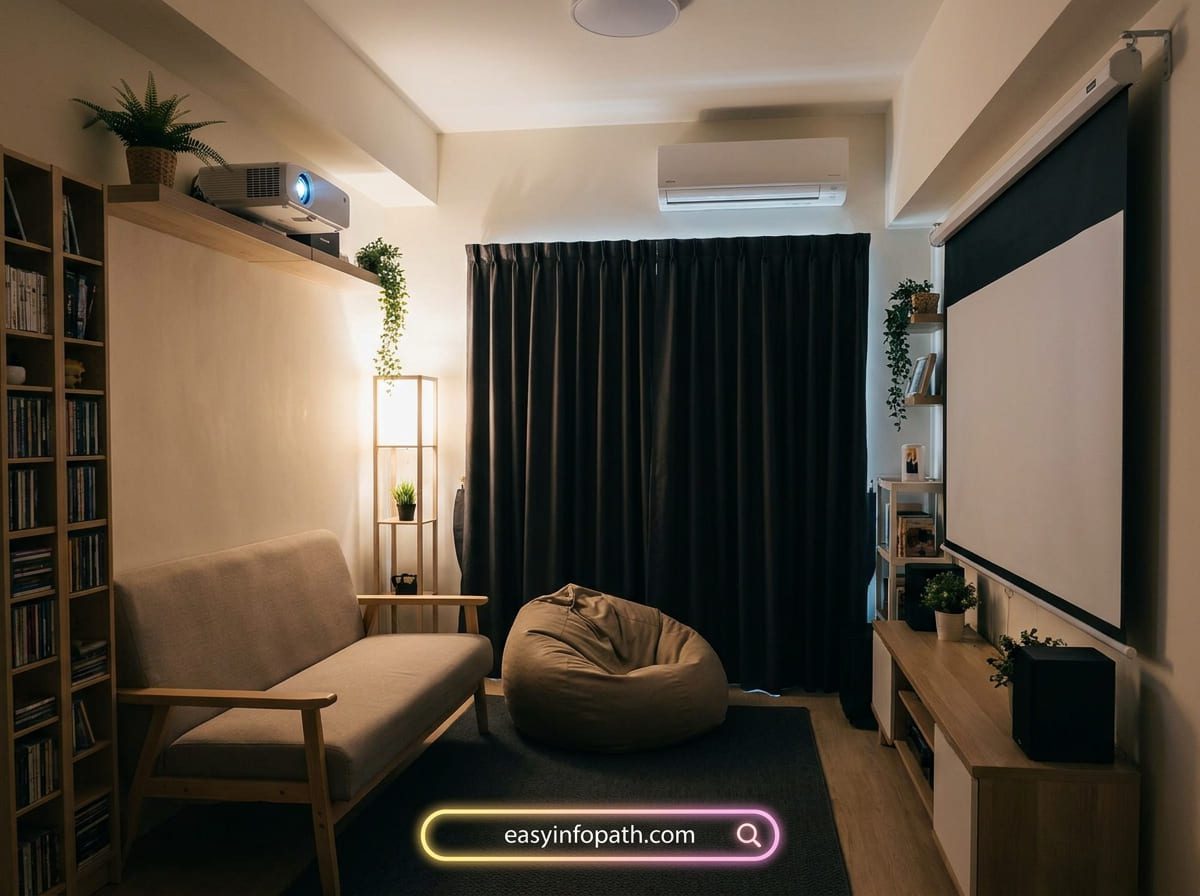
Real-world example: A compact apartment used blackout curtains, a projector, and foldable seating to create a theater experience in a living room.
✦ Key Takeaway
Even small spaces can deliver a cinematic experience when decor is intentional and space-efficient.
Related Articles:
- Minimalist Home Décor Ideas for Beginners
- Bedroom Ideas for Kids with Design Images
- Best Bedroom Ideas for Couples with Pictures
Conclusion
The best home theater decor ideas balance style with performance. Dark colors reduce glare, layered lighting controls mood, seating ensures comfort, and acoustic elements refine sound. When combined with thoughtful accessories and hidden tech, any room can feel like a private cinema. Focus on function first, then refine the look—this approach delivers results that last.